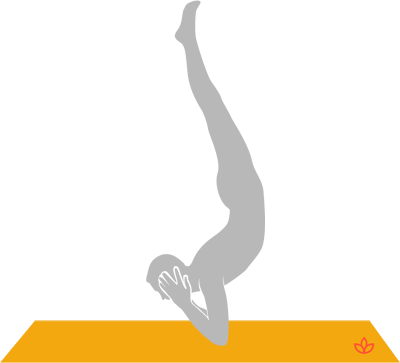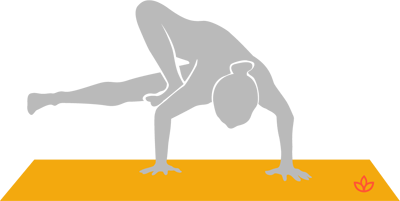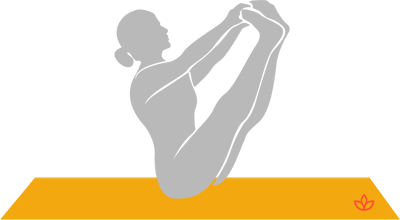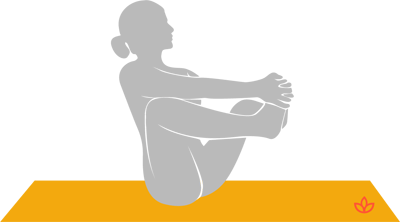
Bound Inverted Tortoise Pose (Baddha Viparita Kurmasana)
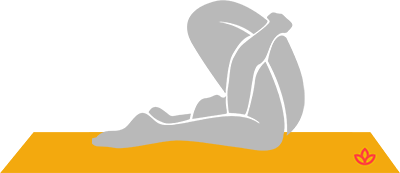
Bound Inverted Tortoise Pose, or Baddha Viparita Kurmasana in Sanskrit, is an advanced inversion and a deeper variation of Plow Pose (Halasana).
The name Baddha Viparita Kurmasana translates to "Bound (Baddha) Inverted (Viparita) Tortoise (Kurma) Pose (Asana)." This pose embodies the introspective and grounded nature of the tortoise, while the inversion offers unique benefits for spinal flexibility and circulation. It's a challenging yet rewarding posture that encourages deep introspection and physical release.
For those looking to explore advanced poses, a yoga generator or specific pose generator might offer variations or preparatory sequences guiding you toward Baddha Viparita Kurmasana. This pose is often recognized for its profound effects on the spine.
How to Practice Bound Inverted Tortoise Pose
This pose is an advanced variation and should only be attempted after mastering Plow Pose and other foundational inversions. Ensure your body is thoroughly warmed up before attempting this posture.
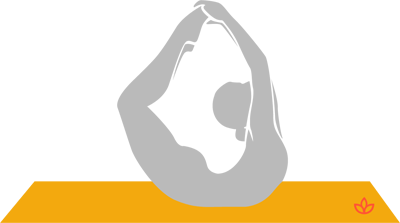
- Begin by entering Plow Pose (Halasana). From here, ensure your weight is primarily on your shoulders, not your neck.
- Exhale as you slowly bend your knees, bringing them down towards your forehead or ears.
- Once your knees are comfortably lowered, reach your arms behind your back. Bind your hands together, interlacing your fingers or clasping opposite wrists, allowing your shoulder blades to draw together.
- Find stillness and breathe deeply as you hold the pose, focusing on releasing any tension in your spine and hips.
- To release the pose, gently untie your hands and bring your arms back to the floor. Inhale as you slowly straighten your legs, then exhale as you carefully roll your spine down to the floor, vertebra by vertebra, keeping your head on the mat until your entire back is flat.
Benefits of Bound Inverted Tortoise Pose
Baddha Viparita Kurmasana offers a multitude of benefits, particularly for the spinal column and internal organs:
- Increases Spinal Flexibility: This deep inversion and forward bend significantly stretches the entire length of the spine, promoting improved flexibility and mobility.
- Stretches Back Muscles and Hamstrings: The posture provides a profound stretch to the muscles along the back of the body, including the erector spinae and hamstrings.
- Stimulates Digestion: The compression of the abdomen against the thighs can gently massage the internal organs, which may aid in stimulating digestive processes.
- Increases Circulation to the Brain: As an inversion, this pose reverses blood flow, encouraging fresh, oxygenated blood to reach the brain, which can enhance mental clarity and reduce fatigue.
- Calms the Nervous System: Inversions are known for their calming effects on the nervous system, helping to alleviate stress and anxiety.
Cautions and Contraindications
Given its advanced nature and the position of the neck, it is crucial to observe safety precautions:
- Neck or Back Injury: Absolutely avoid this pose if you have any existing neck, shoulder, or back injuries.
- High Blood Pressure or Heart Conditions: Individuals with these conditions should avoid inversions.
- Pregnancy: Inversions are generally not recommended during pregnancy.
- Menstruation: Some practitioners prefer to avoid inversions during menstruation.
- Glaucoma or Ear Problems: The increased pressure in the head can be problematic for these conditions.
Always listen to your body and consult with a qualified yoga instructor or healthcare professional if you have any concerns. A dedicated Bound Inverted Tortoise Pose generator or experienced teacher can provide personalized guidance.
Bound Inverted Tortoise Pose Details
| Sanskrit Name: | Baddha Viparita Kurmasana |
| Pronunciation: | bahd-dah vip-ar-EET-ah KOOR-MAH-sah-nah |
| Pose Level: | Advanced |
| Drishti: | Nabhichakra (Navel) |
| Pose Type: | Binds, Forward Bends, Inversions |