Supported Headstand Pose (Salamba Sirsasana)
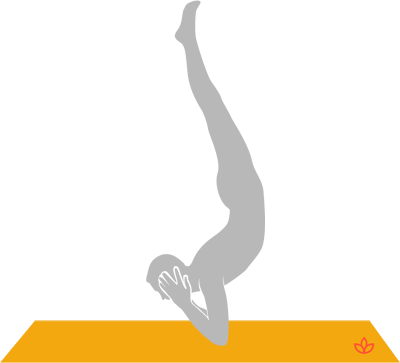
Known as the "King of all Poses," Supported Headstand, or Salamba Sirsasana, is a foundational inversion in yoga. This powerful pose cultivates immense physical strength, mental focus, and a sense of calm. With your forearms firmly grounded and the crown of your head gently supported, the entire body aligns vertically, bringing a refreshing rush of blood to the brain and revitalizing the system.
Understanding Salamba Sirsasana
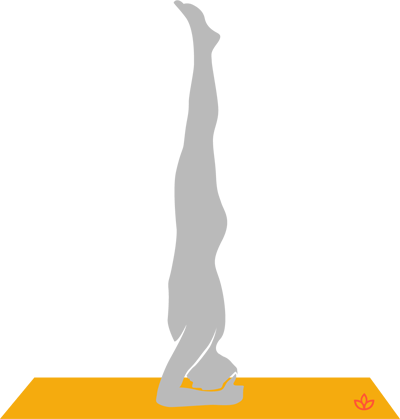
The Sanskrit name, Salamba Sirsasana (SAH-lum-bah SHEER-SHAH-sah-nah), offers insight into the pose itself:
- "Sa" (स) means "with"
- "Alamba" (आलम्ब) means "support"
- "Sirsa" (शीर्ष) means "head"
- "Asana" (आसन) means "pose" or "posture"
Supported Headstand is an inversion that demands both core strength and unwavering concentration. It is often introduced at a beginner level, but mastering it requires dedicated practice and guidance. Many students find it helpful to use an Elbow Stand or Dolphin Pose generator for visual guidance on arm placement before attempting the full pose.
How to Practice Supported Headstand Pose
Approaching Salamba Sirsasana with mindfulness and proper alignment is key. Always practice under the guidance of a qualified yoga instructor, especially when learning inversions.
Step-by-Step Instructions:
- Begin by kneeling on your mat.
- Place your forearms on the floor directly in front of you. Measure the distance by holding onto your opposite elbows, ensuring your elbows are shoulder-width apart.
- Release your hands, keeping your elbows in their established position, and interlace your fingers. Create a strong basket with your interlocked hands.
- Bring the crown of your head to the floor, nestling the back of your head gently into the cup of your interlaced hands. Ensure that your weight is distributed through your forearms, not solely on your head.
- Tuck your toes and lift your hips towards the sky.
- Exhale as you slowly walk your feet towards your head, bringing your hips directly over your shoulders.
- Inhale and, one by one, draw your knees into your chest, engaging your core deeply.
- On an exhale, slowly straighten your legs, reaching your feet expansively toward the sky. Draw your lower ribs in to maintain core engagement and a long spine.
- Maintain a steady gaze (Drishti) a few feet ahead of you or at the tip of your nose (Nasagre).
- Breathe deeply and evenly while holding the pose for a comfortable duration.
- To exit, reverse the steps: slowly bring your knees back to your chest, then gently lower your feet to the floor. Rest in Child's Pose for several breaths.
If you're unsure about the finer points of alignment, a Salamba Sirsasana generator can provide visual cues to help you refine your posture.
Benefits of Supported Headstand Pose
Salamba Sirsasana is revered for its profound benefits, impacting both the physical and subtle bodies:
- Strengthens Core and Spine: This inversion significantly builds strength in the abdominal muscles, improving overall core stability and supporting a healthy spine.
- Brings Fresh Blood to the Brain: By inverting the body, gravity assists in bringing an increased supply of oxygenated blood to the brain, which can enhance cognitive function and clarity.
- Stimulates the Sahasrara Chakra: Located at the crown of the head, the Sahasrara (Crown) Chakra is associated with higher consciousness, spiritual connection, and enlightenment. Inversions like Headstand are believed to stimulate this energy center.
- Revitalizes the Mind: The fresh blood flow to the brain, combined with the meditative focus required, can reduce mental fatigue and promote a sense of mental revitalization.
- Relieves Anxiety: The calming effect of inversions on the nervous system, coupled with regulated breathing, can help alleviate symptoms of anxiety and stress, fostering a sense of peace.
Cautions and Contraindications
While highly beneficial, Salamba Sirsasana is an advanced pose that requires caution. Avoid this pose if you experience any of the following:
- Neck pain or injury
- High blood pressure
- Glaucoma or other eye conditions
- Severe headache or migraine
- Heart conditions
- Menstruation (some traditions advise against inversions)
- Pregnancy
Again, always learn this pose from a qualified and experienced yoga teacher who can provide personalized adjustments and ensure your safety.
Supported Headstand Pose Details
| Detail | Description |
|---|---|
| Sanskrit Name | Salamba Sirsasana |
| Pronunciation | SAH-lum-bah SHEER-SHAH-sah-nah |
| Pose Level | Beginner (with proper guidance and preparation) |
| Drishti (Gaze) | Nasagre (Tip of the nose) or a few feet forward |
| Pose Type | Balancing, Core, Inversions |
Mastering Salamba Sirsasana is a journey of strength, balance, and inner focus. With consistent practice and expert guidance, you can safely explore the transformative power of this royal inversion.