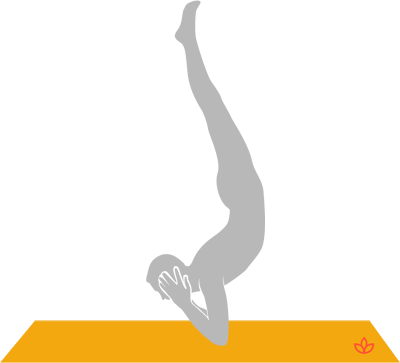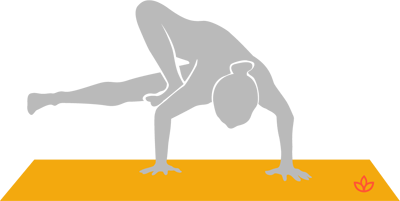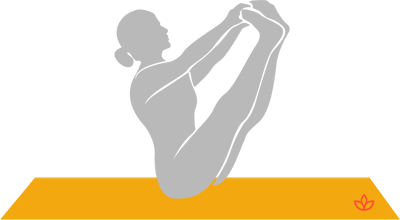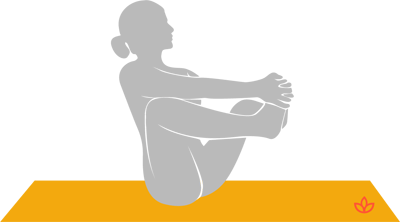
Pelican Pose (Parivrtta Utkatasana)
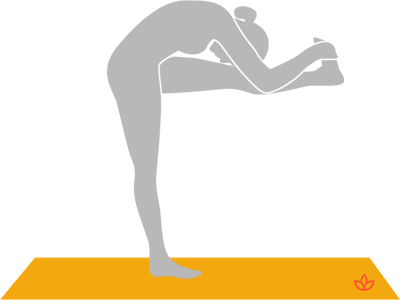
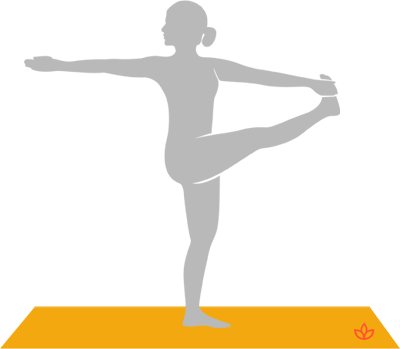
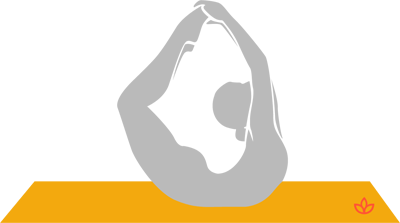
Pelican Pose, known in Sanskrit as Parivrtta Utkatasana, offers a challenging variation of Revolved Chair Pose that builds significant strength and balance. This one-legged balancing twist requires focus and core engagement, making it a rewarding pose for intermediate practitioners.
In Sanskrit, "Parivrtta" means revolved or rotated, and "Utkatasana" translates to powerful pose or chair pose. While the name "Pelican Pose" is a modern, descriptive term, the Sanskrit name accurately describes the foundational elements of the posture — a revolved chair pose with an added balancing component.
Discovering new poses like Pelican Pose can be an exciting part of your yoga journey. Whether you're using a yoga generator to inspire your practice or exploring a pose generator for fresh sequences, integrating poses that challenge both strength and balance will deepen your understanding and capability on the mat.
How to Practice Pelican Pose
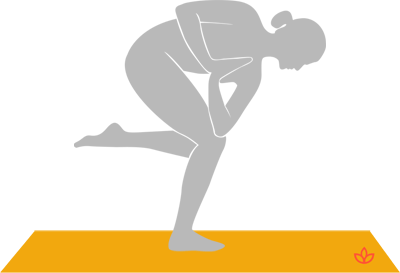
Pelican Pose is an intermediate posture that requires concentration and stability. Follow these steps to enter the pose safely and effectively:
Instructions:
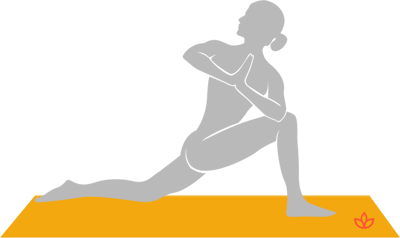
- Begin in Chair Pose (Utkatasana) with your feet together or hip-width apart, knees bent, and hands pressed in Anjali Mudra (prayer position) at your chest.
- Exhale and twist your torso to the right, bringing your left elbow to the outside of your right thigh. Press your elbow firmly into your thigh to deepen the twist, ensuring your hips remain as level as possible.
- Inhale and, with control, begin to lift your left foot from the floor. Aim to bring your left knee in line with your right knee, keeping the left foot flexed.
- Find your balance on your right standing leg. Continue to lengthen your spine and rotate your chest open to the right with each exhale.
- Breathe deeply and hold the pose for several breaths, maintaining your focus (Drishti) to the side (Parshva Drishti).
- To release, gently lower your left foot back to the floor, untwist, and return to Chair Pose.
- Repeat the pose on the opposite side, twisting to the left and lifting your right foot.
Visualizing the pose can be helpful before attempting it. Imagine a powerful and graceful pelican, soaring and balanced. A dedicated "Pelican Pose generator" or visual guide can help refine your alignment.
Benefits of Pelican Pose
Incorporating Pelican Pose into your practice offers a range of physical and mental advantages:
- Strengthens Lower Body & Core: This pose intensely engages and strengthens the quadriceps, hamstrings, glutes, and core muscles, all crucial for stability and power.
- Enhances Balance & Stability: As a one-legged balancing twist, it significantly improves balance and strengthens the stabilizing muscles around the knees and ankles.
- Stretches Shoulders & Wrists: The twisted position provides a gentle stretch to the shoulders and wrists.
- Improves Spinal Rotation: The deep twist in the torso enhances spinal mobility and flexibility.
- Boosts Focus & Concentration: Maintaining balance in a twisted posture demands a high degree of menthol focus, sharpening concentration.
- Stimulates Internal Organs: Twisting poses are known to stimulate abdominal organs, which can aid in digestion and promote detoxification.
- Fosters Mind-Body Connection: Balancing poses challenge both physical and mental resilience, deepening your awareness and connection between body and mind.
Cautions and Contraindications
While beneficial, Pelican Pose should be approached with awareness. Avoid this pose or practice with extreme caution if you have any of the following conditions:
- High blood pressure
- Recent or chronic knee or ankle injury
- Serious back or spinal issues
- Pregnancy (especially later trimesters due to balance and abdominal compression)
Always listen to your body and modify the pose as needed. If you experience any sharp pain, gently come out of the pose.
Pelican Pose Details
| Sanskrit Name: | Parivrtta Utkatasana (par-iv-RIT-tah oot-kah-TAH-sah-nah) |
| English Name: | Pelican Pose |
| Meaning: | Revolved Chair Pose (with a lifted leg variation) |
| Pose Level: | Intermediate |
| Drishti (Gazing Point): | Parshva (Side) |
| Pose Type: | Balancing, Core, Standing, Strength, Twists |