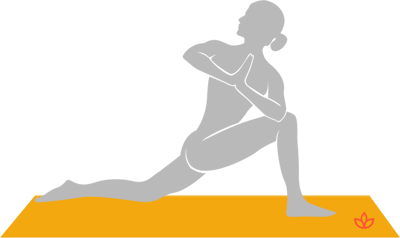
Gate Pose (Parighasana)
Gate Pose, known in Sanskrit as Parighasana (pronounced par-ee-GHAH-sah-nah), is a beautiful and effective side-bending posture that profoundly stretches the entire side body. The name Parighasana translates to "Gate Pose," where "Parigha" refers to a gate or a crossbar used for locking a gate, reflecting the shape your body creates in this pose. It’s an important posture for building spinal flexibility and opening the chest.
This accessible beginner-level pose is often included in warm-up sequences to prepare the spine and hamstrings for deeper stretches.
How to Practice Gate Pose
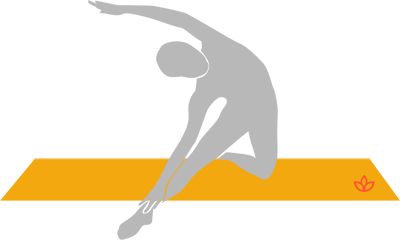
Follow these steps to safely and effectively practice Parighasana:
- Begin by kneeling on your yoga mat. Ensure your hips are directly over your knees. You might place a folded blanket under your knees for extra cushioning if needed.
- On an exhale, extend your right leg straight out to the side, keeping your heel in line with your knee. Your toes can point forward or slightly upwards.
- As you inhale, extend both arms out to the sides at shoulder height, palms facing down. Engage your core gently.
- On your next exhale, begin to reach your left arm up and overhead, arching towards your extended right leg. Simultaneously, allow your right hand to rest gently on your right leg, wherever it comfortably reaches (shin, ankle, or even a block outside your foot).
- Focus on extending through your left fingertips, creating length along the entire left side of your body. Keep your chest open and avoid collapsing forward. Your gaze (Drishti) can be upwards towards the sky (Urdhva) or straight ahead.
- Breathe deeply and hold the pose for 30 seconds to a minute, feeling the stretch.
- To release, inhale as you slowly return to the center, bringing both arms back to shoulder height and your right knee back to meet your left.
- Repeat the sequence on the left side.
Tips for Deeper Engagement
- To enhance the stretch, imagine drawing your right hip slightly forward and your left hip back, creating more space in the side body.
- Keep both shoulders stacked as much as possible, avoiding rolling the top shoulder forward.
- For those with tighter hamstrings, try placing your extended foot against a wall for support.
Benefits of Gate Pose
Parighasana offers a multitude of physical benefits, engaging various parts of the body:
- Stretches the Hips, Groins, and Shoulders: This pose effectively opens the inner thighs and groins of the extended leg, while also providing a significant stretch through the side of the torso and rotator cuff muscles of the arm reaching overhead.
- Improves Digestion: The gentle compression and stretch on the abdominal organs can stimulate the digestive system, aiding in better circulation and function.
- Opens the Chest and Lungs: By lengthening the intercostal muscles between the ribs, Gate Pose creates more space in the chest cavity, promoting deeper breathing and expanding lung capacity. This makes it an excellent pose for counteracting hunched postures.
- Increases Spinal Flexibility: The lateral flexion (side bend) of the spine in this pose helps to lubricate the spinal discs and improve the flexibility of the vertebral column, contributing to overall spinal health.
Incorporating poses like Parighasana into your practice can significantly improve overall mobility, making it a valuable addition to any sequence generated by a yoga generator or a dedicated pose generator.
Cautions and Contraindications
While Gate Pose is generally safe, individuals with certain conditions should approach it with caution or avoid it:
- Knee Pain: If you experience knee pain, place a thick blanket or cushion under your kneeling knee. If pain persists, consider modifying the pose or avoiding it.
- Shoulder Injuries: Individuals with rotator cuff injuries or shoulder impingement should be mindful of the overhead arm position. Extend the arm only as far as comfortable, or rest it on your hip.
- Lower Back Issues: Be cautious not to force the side bend from the lower back. Focus on lengthening the spine rather than just bending.
Always listen to your body and modify the pose as needed. If you are unsure, consult with a qualified yoga instructor or healthcare professional before attempting new poses. For a gentler side stretch that might complement Parighasana, consider exploring Child's Pose for a restful counterpart, or Supine Spinal Twist Pose for another spinal release.
Gate Pose Details
| Sanskrit Name: | Parighasana |
| Pronunciation: | par-ee-GHAH-sah-nah |
| Pose Level: | Beginner |
| Drishti: | Urdhva (Toward the sky) |
| Pose Type: | Chest Openers, Hip Openers, Side Bends |