Garland Pose (Malasana)
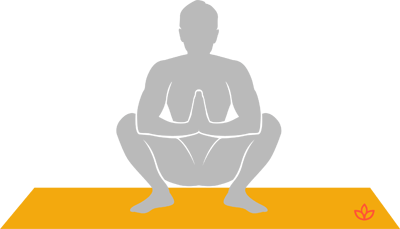
What is Garland Pose?
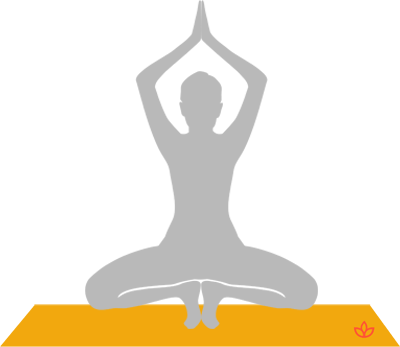
Garland Pose, known in Sanskrit as Malasana (pronounced MAH-LAH-sah-nah), is a fundamental squatting posture that offers profound benefits for flexibility and overall well-being. The name "Malasana" comes from "Mala," which can mean garland or rosary, often referring to the way the arms can be brought to resemble a garland around the neck or the meditative quality of the pose. It is an excellent pose to integrate into a regular asana practice, particularly for individuals who spend considerable time seated, as it helps to counteract the effects of prolonged sitting. Malasana is a superb choice for a yoga sequence, easily found in any pose generator, and is beneficial for improving mobility in the lower body.
How to Practice Garland Pose
Follow these instructions to safely and effectively practice Malasana:
- Begin in a standing position with your feet slightly wider than your hips. Turn your toes out slightly, aiming for a 45-degree angle or whatever feels comfortable for your hips and knees.
- As you exhale, bend your knees deeply, lowering your hips towards the floor. Allow your hips to hover just above the mat. If needed, widen your feet further to maintain balance and comfort.
- Bring your palms together in Anjali Mudra (prayer position) at the center of your chest. Press your elbows gently against the insides of your knees, using this leverage to encourage a deeper opening of the hips and to lengthen your spine.
- Keep your spine long, lifting through the crown of your head, and engage your core gently.
- Breathe deeply and evenly while holding the pose. Focus on releasing tension in your hips and inner thighs with each exhalation.
Benefits of Garland Pose
Garland Pose offers a multitude of physical and mental benefits, making it a valuable addition to your yoga practice:
- **Opens the Hips:** Malasana is a powerful hip opener, increasing flexibility and range of motion in the hip joints, which can often become tight from prolonged sitting.
- **Increases Flexibility in Knees and Ankles:** This pose strengthens and stretches the muscles and ligaments around the knees and ankles, improving their overall mobility and stability.
- **Improves Circulation:** The compression and release in the abdominal and pelvic regions enhance circulation to these vital organs, promoting better function.
- **Relieves Constipation:** By stimulating the abdominal organs, Malasana can aid in digestion and help alleviate issues like constipation.
- **Reduces Stress:** The grounding nature of this squat and the gentle inner thigh stretch can help to calm the nervous system and reduce feelings of stress and anxiety. Regular practice can be incorporated into a custom sequence using a Garland Pose generator for stress relief.
Cautions and Contraindications
While a beginner-friendly pose, it's essential to practice Malasana with awareness:
- If your heels do not comfortably reach the floor, place a folded blanket or towel beneath them for support. This prevents strain on the ankles and knees.
- Individuals with knee or ankle injuries should approach this pose with caution, or avoid it altogether if it causes any discomfort or pain. Always listen to your body and modify as needed.
- If you experience lower back pain, ensure your spine remains long and supported, and avoid rounding your back.
Pose Details
| **Sanskrit Name:** | Malasana |
| **Pronunciation:** | MAH-LAH-sah-nah |
| **Pose Level:** | Beginner |
| **Drishti (Gaze Point):** | Nasagre (Tip of the nose) |
| **Pose Type:** | Hip Opener, Squat |