Cow Pose (Bitilasana)
Cow Pose, known in Sanskrit as Bitilasana (pronounced bit-ee-LAH-sah-nah), is a gentle and foundational yoga posture often paired with Cat Pose (Marjaryasana) to create a flowing spinal warm-up. The name Bitilasana comes from "Bitila," meaning "cow" or "ruminant," and "asana," meaning "seat" or "posture." This pose, like its feline counterpart, is a staple in many yoga sequences due to its ability to bring flexibility and awareness to the spine. It's a fundamental backbend that encourages a gentle opening through the chest and abdomen.
Whether you're following a pre-designed flow or using a yoga generator to inspire your practice, Cow Pose is an excellent choice for beginners and experienced practitioners alike seeking to improve spinal mobility and alleviate back tension.
How to Practice Cow Pose (Bitilasana)
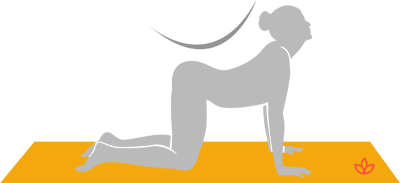
Follow these instructions to safely and effectively practice Cow Pose:
- Starting Position: Begin on all fours in a tabletop position. Ensure your wrists are stacked directly under your shoulders and your knees are directly under your hips, hip-width apart. Spread your fingers wide, pressing down evenly through your palms.
- Spinal Movement: As you inhale, gently drop your belly towards the floor, allowing your low back to arch. Simultaneously, lift your head and tailbone towards the sky, gazing upward. Broaden your collarbones and draw your shoulders away from your ears.
- Engage and Breathe: Feel the stretch along the front of your torso and the compression in your lower back. Maintain a steady, deep breath, allowing the inhalation to guide the spinal extension.
- Transition: This pose is typically alternated with Cat Pose. On your next exhale, move into Cat Pose by rounding your spine towards the ceiling, drawing your navel in, and dropping your head. Continue to flow between these two poses with your breath.
For a visual reference, consider generating a Cow Pose image with a pose generator to refine your alignment.
Benefits of Cow Pose (Bitilasana)
Practicing Bitilasana regularly offers numerous physical advantages:
- Stretches the Spine: This pose articulates the entire length of the spine, increasing flexibility and mobility in the vertebral column.
- Improves Posture: By strengthening the back muscles and encouraging a natural curvature, Cow Pose helps correct slouching and improves overall posture.
- Strengthens the Arms and Wrists: Bearing weight on the hands and arms helps to build strength and stability in these areas.
- Relieves Back Pain: The gentle arching motion can help to alleviate mild back stiffness and discomfort, particularly in the lower back.
- Opens the Chest and Abdomen: The upward gaze and dropping of the belly create space and subtle stretching in the chest, beneficial for breath expansion, and can stimulate abdominal organs.
- Connects Breath and Movement: Flowing between Cow and Cat Pose is an excellent way to synchronize breath with movement, cultivating mindfulness.
Cautions and Contraindications
While Cow Pose is generally safe, it's important to be mindful of certain conditions:
- Knee Injury: If you have a knee injury or sensitivity, place a folded blanket under your knees for extra cushioning or explore alternative seated variations like Seated Cat Cow Pose.
- Wrist Injury: For wrist pain, try placing your hands on fists or forearms, or use props like wedges to reduce the angle of the wrist.
- Neck Injury: If you have a neck injury, keep your neck in a neutral position, avoiding extending it fully.
Pose Details
| Sanskrit Name: | Bitilasana |
| Pronunciation: | bit-ee-LAH-sah-nah |
| Meaning: | Cow Pose |
| Pose Level: | Beginner |
| Drishti (Gaze): | Urdhva (Toward the sky) |
| Pose Type: | Backbends, Strength |
| Foundational Movement: | Spinal extension |